


Whatsapp
 Hongkong Suntex Electronic Co., Ltd.


A surgical instrumentation harness is a specialized wiring assembly designed to connect and power complex medical devices used in operating rooms and clinical settings. Unlike standard industrial cables, these systems are engineered for extreme precision, durability, and sterility.
In the high-stakes environment of modern healthcare, a customized surgical instrumentation harness solution ensures that critical equipment—from robotic surgery arms to advanced monitoring systems—operates without interruption. Hongkong Suntex Electronic Co., Ltd. provides tailored wiring solutions that meet the rigorous demands of the medical device industry.
With over 15 years of experience, we have earned the trust of major technology brands like HUAWEI, Canon, Lenovo, and Skyworth. Our expertise translates directly into superior reliability for your medical device projects.
We leverage strategic manufacturing locations in Dongguan and Henan to offer you significant cost advantages. With labor costs up to 40% lower than regional averages, we provide high-quality wiring harnesses at competitive prices without compromising on safety or performance.
Our facilities are equipped with high-precision automatic terminal crimping machines and comprehensive testing instruments. This allows us to handle complex routing and connector requirements typical of surgical instrumentation harnesses.
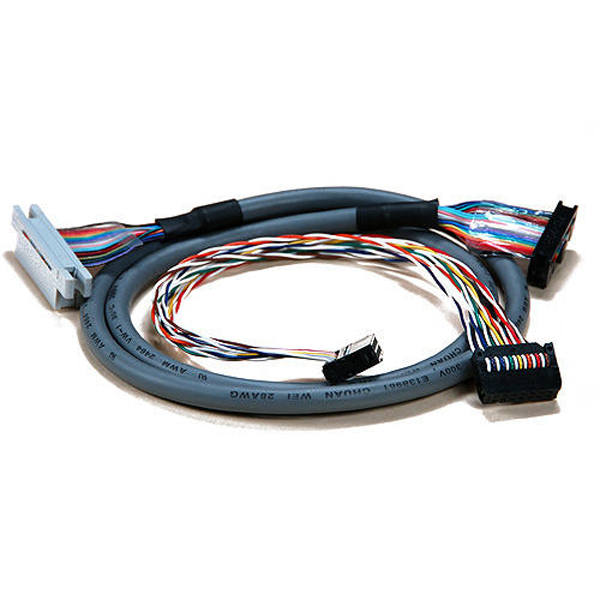
We hold ISO9001-2015 and IATF16949:2016 certifications, ensuring our manufacturing processes meet the highest international standards for quality and automotive-grade reliability.
We source materials from premier suppliers including Molex, Amphenol, DELPHI, and YAZAKI. Every component undergoes rigorous inspection to guarantee long-term performance in sterile environments.
All products comply with EU RoHS standards. We understand the strict environmental and safety regulations governing medical devices and ensure full compliance for all surgical instrument wiring harnesses.
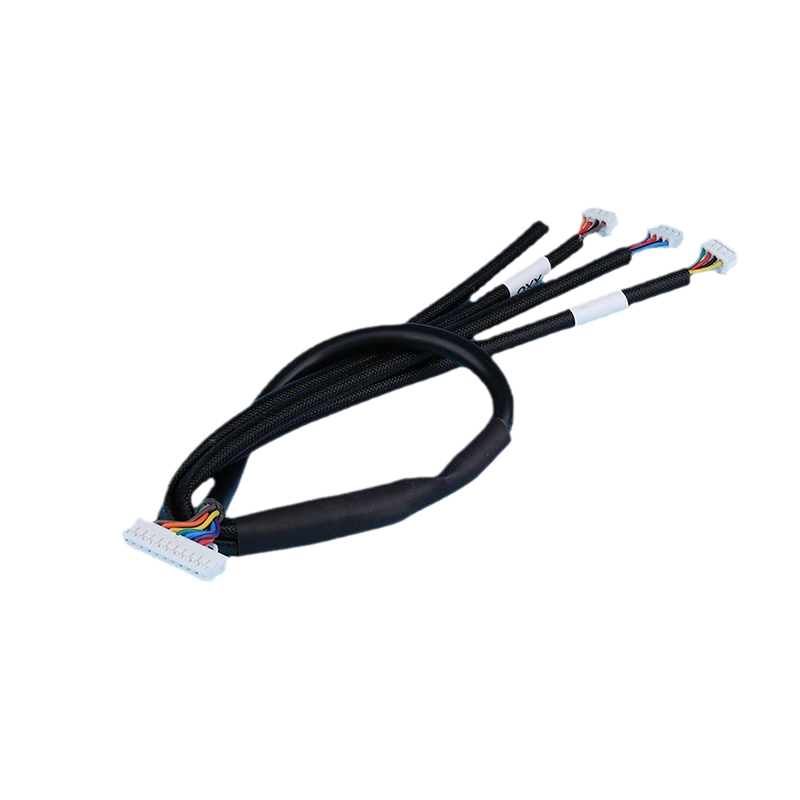
Medical devices often require proprietary connectors. Ensure your supplier has direct access to authentic JST, TE, and MOLEX connectors to avoid compatibility issues and supply chain delays.
Surgical tools move frequently. Ask about the bending radius and flex-life rating of the harness cables. High-quality assemblies maintain signal integrity even after thousands of cycles.
Standard off-the-shelf solutions rarely fit complex surgical robots. Choose a partner capable of custom engineering, offering tailored routing, shielding, and jacketing options for your specific application.
Before finalizing your procurement decision for medical device wiring harnesses, verify that your supplier meets the following criteria:
When sourcing specialized surgical instrumentation harnesses, prioritize partners who combine technical depth with operational efficiency.
Look for manufacturers who already serve industries like aerospace, automotive, and consumer electronics. These sectors demand the same level of precision as medical device manufacturing.
Choose suppliers with multi-regional manufacturing bases. Companies like ours, utilizing low-cost regions while maintaining high-tech capabilities, can significantly reduce your landed costs.
Your supplier should provide complete material traceability. From wire spools to connector housings, every component should be identifiable and compliant with relevant standards.
Navigating the supply chain for custom medical wiring harnesses comes with challenges. Here is how to mitigate common risks:
The Problem: Using unauthorized or counterfeit connectors leads to intermittent failures in critical equipment.
The Solution: Source only from suppliers with verified distribution channels for brands like JST and MOLEX.
The Problem: Rushed prototypes often result in rework, delaying your product launch.
The Solution: Partner with factories that have automated crimping lines to ensure consistent lead times and faster turnaround.
The Problem: Low initial quotes often hide costs for testing, tooling, or shipping.
The Solution: Request a detailed breakdown of costs. A professional supplier will offer transparent pricing based on BOM analysis.
For surgical instrumentation harnesses, look for ISO9001-2015 for general quality management and IATF16949:2016 for automotive-grade reliability. Additionally, compliance with EU RoHS standards is essential for environmental safety in clinical settings.
Longevity depends on cable flexibility ratings and connector locking mechanisms. Ensure your supplier uses high-quality wires (like those from LTC Cables) and performs rigorous flex-life testing before mass production.
Lead times vary based on complexity. Prototype samples typically take 7-10 days, while mass production runs depend on volume. Manufacturers with automated equipment, such as fully automatic terminal crimping machines, generally offer faster delivery.
Yes. By leveraging manufacturing bases in low-cost regions like Henan, we can reduce labor costs by 30-40%. We also optimize designs to use readily available components without sacrificing performance.
Absolutely. We encourage clients to request pre-production samples for validation. Our engineering team works closely with you to refine the design until it meets all functional and spatial requirements.
Hong Kong Suntex Electronics is a comprehensive manufacturer in the wire harness industry.
The company was established in 2009. For over 15 years, we have always adhered to the pursuit of... Subscribe Our Newsletter

Privacy statement: Your privacy is very important to Us. Our company promises not to disclose your personal information to any external company with out your explicit permission.
Fill in more information so that we can get in touch with you faster
Privacy statement: Your privacy is very important to Us. Our company promises not to disclose your personal information to any external company with out your explicit permission.
