

Whatsapp
 Hongkong Suntex Electronic Co., Ltd.
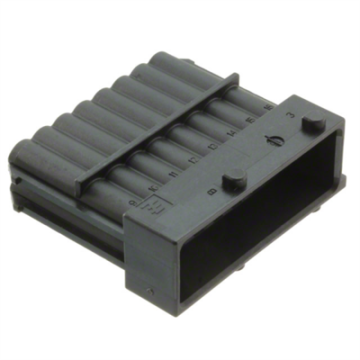

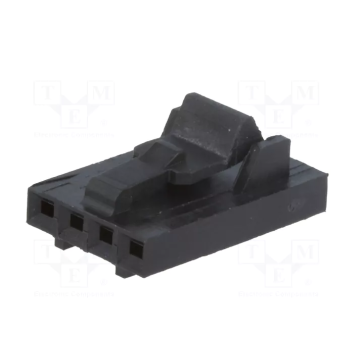

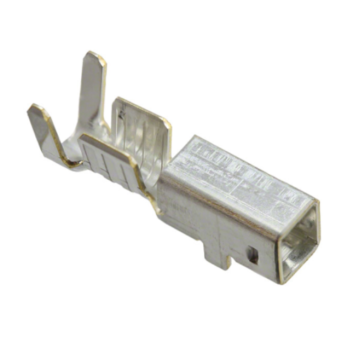
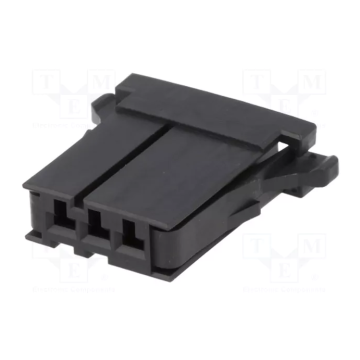
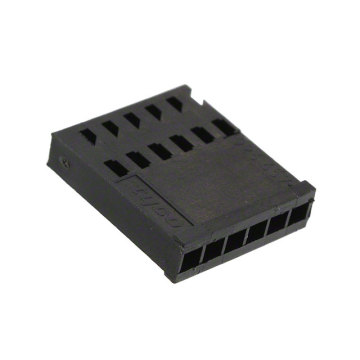

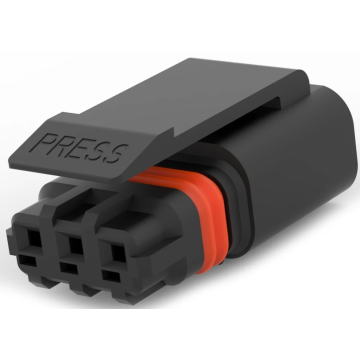

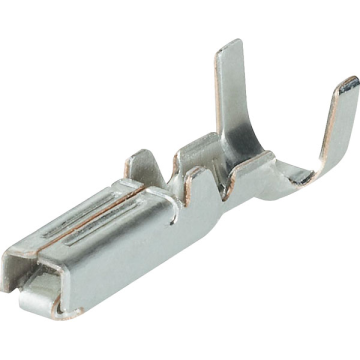

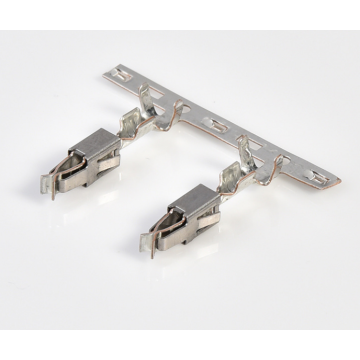
Pipe connectors are critical components that ensure reliable fluid and gas transmission within complex piping systems. In industrial applications ranging from HVAC to chemical processing, the integrity of these connections directly impacts system safety and operational efficiency.
Why it matters for procurement: High-quality pipe connectors prevent leaks, reduce maintenance costs, and extend system lifespan. Sourcing connectors from a verified manufacturer ensures compliance with industry standards like ISO9001-2015 and IATF16949:2016.
Hongkong Suntex Electronic Co., Ltd. specializes in high-reliability connection solutions, applying the same rigorous quality standards used in automotive and aerospace wiring harnesses to your piping needs.

Our manufacturing facilities operate under ISO9001-2015 and IATTF16949:2016 certified quality management systems. This ensures every pipe connector meets international standards for consistency and reliability.
We utilize high-precision automated equipment for connector fabrication, ensuring tight tolerances and consistent performance across all batches. Our advanced testing instruments verify each component before shipment.
All raw materials undergo strict incoming inspection. We maintain full traceability from source material to finished product, giving you confidence in every component's origin and specifications.
Our products comply with EU RoHS standards and other relevant environmental regulations. This compliance simplifies your regulatory requirements and supports sustainable procurement goals.

Selecting the right pipe connectors requires careful consideration of multiple technical factors. Here's what procurement teams should evaluate:
Procurement advantage: Working with experienced manufacturers who understand these variables helps minimize selection errors and reduces long-term maintenance costs.
□ Material specifications match application requirements
□ Pressure and temperature ratings exceed system demands
□ Connection type compatible with existing infrastructure
□ Certification documentation available and current
□ Manufacturer has relevant industry certifications
□ Production capacity matches order volume requirements
□ Quality control processes are documented and verified
□ Lead times align with project schedules
□ Total cost includes shipping and handling
□ Bulk pricing tiers evaluated for volume discounts
□ Lifecycle costs considered beyond initial purchase price
□ Warranty terms and return policies reviewed
□ Supply chain redundancy planned
□ Alternative sources identified for critical components
□ Quality samples tested before bulk ordering
□ Contract terms protect against delays and defects
Problem: Different production batches show varying quality levels, leading to installation issues and system failures.
Solution: Work with manufacturers who have robust quality control systems and batch traceability capabilities.
Problem: Ordering connectors that don't match actual application requirements, causing compatibility issues.
Solution: Request detailed technical consultation and sample testing before placing large orders.
Problem: Delays in delivery affecting project timelines and production schedules.
Solution: Establish relationships with multiple qualified suppliers and maintain appropriate inventory levels.
Problem: Initial low prices offset by higher maintenance costs, frequent replacements, or installation difficulties.
Solution: Evaluate total cost of ownership including installation time, maintenance frequency, and replacement cycles.
Fuel lines, cooling systems, and brake fluid connections requiring high-pressure resistance and temperature stability.
Refrigerant lines, water circulation systems, and air distribution networks in commercial and residential buildings.
Chemical transfer, hydraulic systems, and pneumatic controls in manufacturing environments.
Sterilization systems, gas delivery, and fluid handling in medical devices requiring high purity and reliability.
Solar thermal systems, battery cooling, and fuel cell applications in renewable energy installations.
Cooling systems in high-performance computing, gaming consoles, and electronic device thermal management.
Based on industry analysis and quality metrics, we recommend evaluating suppliers based on their manufacturing capabilities, certification status, and market reputation.
Comprehensive manufacturer with 15+ years experience in precision connection solutions. ISO9001 and IATF16949 certified with global supply chain capabilities.
ISO9001 Certified IATF16949Strategic location in Pearl River Delta provides advantages in supply chain logistics and rapid response capabilities for urgent orders.
Fast Delivery Low CostSpecialized in cost-effective production with 30-40% lower labor costs compared to coastal facilities, ideal for high-volume standard components.
Cost Effective High VolumeLook for ISO9001-2015 for general quality management and IATF16949:2016 for automotive-grade quality standards. These certifications indicate systematic quality control processes and consistent manufacturing capabilities.
Material selection depends on fluid compatibility, temperature range, pressure requirements, and environmental conditions. Common options include stainless steel for corrosion resistance, brass for general use, and specialized alloys for harsh chemical environments.
Standard components typically ship within 1-2 weeks. Custom specifications may require 3-6 weeks depending on complexity and quantity. Discuss your timeline early to ensure alignment with production schedules.
Yes, reputable manufacturers typically provide evaluation samples for testing. This allows verification of fit, function, and quality before committing to larger orders. Sample costs are often credited against subsequent purchases.
Geographic proximity affects shipping costs, lead times, and communication efficiency. Manufacturers in industrial clusters like the Pearl River Delta benefit from established supply chains and transportation infrastructure.
Standard warranties typically cover manufacturing defects for 1-2 years. Extended warranty options may be available for premium products. Clear warranty terms protect against defective products and provide recourse for quality issues.
Hong Kong Suntex Electronics is a comprehensive manufacturer in the wire harness industry.
The company was established in 2009. For over 15 years, we have always adhered to the pursuit of... Subscribe Our Newsletter

Privacy statement: Your privacy is very important to Us. Our company promises not to disclose your personal information to any external company with out your explicit permission.
Fill in more information so that we can get in touch with you faster
Privacy statement: Your privacy is very important to Us. Our company promises not to disclose your personal information to any external company with out your explicit permission.
