



Whatsapp
 Hongkong Suntex Electronic Co., Ltd.
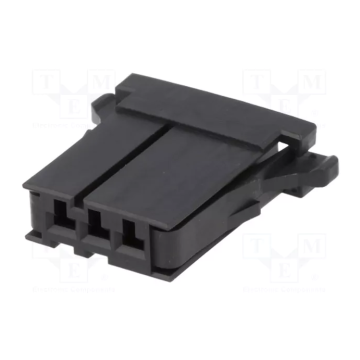
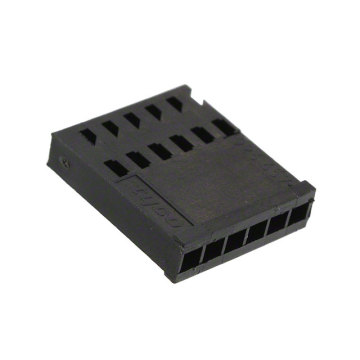


Cutting and stripping is the fundamental process of preparing wires for electrical connections by removing precise lengths of insulation to expose conductive cores. This critical step ensures reliable connectivity in every wiring harness assembly.
At Hongkong Suntex Electronic Co., Ltd., we understand that precision cutting and stripping directly impacts product reliability. Our automated equipment achieves tolerances within ±0.5mm, eliminating manual errors that could cause short circuits or connection failures in your final products.
The process involves three key stages: automatic wire feeding, precision cutting to specified lengths, and controlled stripping of insulation without damaging conductor strands. This technical foundation supports everything from simple appliance cables to complex automotive harnesses.


Selecting a cutting and stripping partner requires evaluating their equipment capabilities, quality certifications, and production capacity. Look for manufacturers with ISO9001-2015 and IATF16949:2016 certifications, which demonstrate commitment to consistent quality standards.
Evaluate their ability to handle your specific wire specifications, including conductor materials, insulation types, and gauge ranges. A capable provider should offer customized solutions rather than one-size-fits-all approaches, adapting to your unique requirements.
Consider geographic advantages like Dongguan NAKA's location in the Pearl River Delta, where supply chain efficiency reduces lead times. Additionally, assess their testing capabilities to ensure they can verify cut length accuracy and strip quality before production begins.
Our quality management system ensures consistent cutting precision and stripping quality across all production batches, reducing your defect rates and supply chain risks.
Meeting automotive industry standards means our wire processing meets the highest reliability requirements, perfect for safety-critical applications in vehicles and industrial equipment.
Henan NAKA's lower labor costs (30%-40% below Guangdong) combined with advanced automation deliver competitive pricing without compromising cutting precision or material quality.
Certification Verification: Confirm ISO9001-2015 and IATF16949:2016 certificates are current and cover your specific product categories.
Equipment Capability: Verify automated cutting and stripping machines can handle your wire gauges, insulation types, and tolerance requirements.
Testing Infrastructure: Ensure suppliers perform incoming material inspection, in-process monitoring, and final testing on cut length accuracy.
Supply Chain Stability: Assess supplier's relationships with major brands like Molex, HRS, DELPHI, and YAZAKI for reliable component sourcing.
Production Capacity: Confirm multi-location facilities (Dongguan + Henan) provide scalability during peak demand periods.
Customization Ability: Evaluate experience with diverse applications from smart home devices to automotive systems requiring specialized wire processing.
RoHS Compliance: Verify all processed materials meet EU RoHS standards for environmental compliance in international markets.
Geographic Advantages: Consider suppliers with Pearl River Delta locations for faster logistics and easier quality inspections.
Poorly calibrated equipment causes variable wire lengths, leading to assembly delays and increased scrap rates. Automated systems with digital controls maintain ±0.5mm precision.
Incorrect blade settings nick or break wire strands, creating weak points that fail under stress. Professional suppliers use adjustable depth controls to protect conductor integrity.
Different insulation compounds require adjusted cutting parameters. Reputable manufacturers test multiple material types to optimize settings for each specification.
Mixed production lines can contaminate clean connectors with metal shavings. Dedicated facilities for sensitive applications prevent cross-contamination issues.
Dull cutting tools increase burr formation and reduce edge quality. Regular maintenance schedules and tool replacement programs ensure consistent performance.
Inefficient cutting patterns generate excess scrap. Advanced nesting software optimizes material usage, reducing waste by up to 15% compared to manual methods.
From power acquisition harnesses to steering wheel controls, automotive applications demand IATF16949-certified processing with zero-defect requirements.
Smart home devices and GPS systems require compact, reliable wiring harnesses with precise stripping for space-constrained installations.
Battery management systems and charging sockets need high-voltage harnesses processed to exact specifications for safety-critical energy applications.
Servo power cables and optoelectronic control systems benefit from durable wire processing that withstands continuous vibration and temperature cycles.
Precision medical equipment requires ultra-clean processing environments and strict dimensional tolerances for reliable patient monitoring systems.
Lightweight, flexible wiring harnesses enable robotic movement while maintaining electrical continuity through thousands of motion cycles.
Years of specialized experience in wire harness manufacturing and cutting precision technology
Cost advantage through strategic Henan facility location with optimized labor expenses
Hongkong Suntex Electronic Co., Ltd. operates three integrated facilities combining advanced automation with cost-effective production. Our Dongguan facility leverages Pearl River Delta supply chain advantages, while Henan operations provide significant cost savings without quality compromise.
We source premium materials from industry leaders including Molex, HRS, DELPHI, YAZAKI, Amphenol, Linoya, DEREN, IKIET, and LTC Cables. This established supply network ensures consistent material quality and competitive pricing for your projects.
Trusted by global brands like ThinkPad, Skyworth, HUAWEI, Canon, Great Wall Motor, Sony Ericsson, HONDA, DJI, METTLER TOLEDO, Lenovo, IBM, and COSIC, our cutting and stripping services meet the most demanding industry standards.
Advanced automated cutting equipment maintains ±0.5mm precision consistently across production runs. This tight tolerance ensures proper connector engagement and prevents signal interference in sensitive applications.
Professional manufacturers use adjustable blade depth controls and regular tool maintenance to avoid nicking wire strands. Incoming material testing determines optimal cutting parameters for each insulation type and conductor combination.
Yes, our flexible production lines accommodate both prototype runs and large-scale manufacturing. Digital programming allows quick changeover between different wire specifications without extensive setup time.
ISO9001-2015 demonstrates basic quality management capability, while IATF16949:2016 indicates automotive-grade processes. Both certifications ensure systematic quality control throughout cutting and stripping operations.
Facilities in regions like Henan benefit from 30-40% lower labor costs compared to coastal areas. Strategic location choices significantly impact overall pricing while maintaining quality standards through centralized management.
Comprehensive testing includes cut length verification using digital measurement tools, visual inspection for conductor damage, insulation removal completeness checks, and sample pull tests to confirm stripping quality.
Hong Kong Suntex Electronics is a comprehensive manufacturer in the wire harness industry.
The company was established in 2009. For over 15 years, we have always adhered to the pursuit of... Subscribe Our Newsletter

Privacy statement: Your privacy is very important to Us. Our company promises not to disclose your personal information to any external company with out your explicit permission.
Fill in more information so that we can get in touch with you faster
Privacy statement: Your privacy is very important to Us. Our company promises not to disclose your personal information to any external company with out your explicit permission.
